


The Insurance Adjuster's Playbook — and How Andrew Salinas Beats It
Insurance adjusters are professional negotiators whose job is to close your claim for the lowest possible amount. They are not your advocate. They are not neutral. Understanding their playbook is the first step to making sure you are not taken advantage of.

The Insurance Adjuster's Playbook — and How Andrew Salinas Beats It
Insurance adjusters are professional negotiators whose job is to close your claim for the lowest possible amount. They are not your advocate. They are not neutral. Understanding their playbook is the first step to making sure you are not taken advantage of.
The Early Contact Tactic
Adjusters are trained to contact you within 24-48 hours of an accident — while you are still shaken, in pain, and unaware of the full extent of your injuries. Their goal is to get you to make statements that minimize your injuries and to offer a quick settlement before you consult an attorney. Do not give a recorded statement to any adjuster without legal counsel.
The Recorded Statement Trap
If an adjuster asks you to give a recorded statement, they are not doing you a favor. Every word you say can and will be used to limit your recovery. Common traps: 'Are you feeling okay?' (Answer: 'I'm managing' becomes 'claimant said they were fine'); 'What were you doing when the accident happened?' (Used to suggest comparative fault). You have no legal obligation to give a recorded statement to the adverse insurer.
The Quick Settlement Offer
Initial offers are designed to close your file before you understand your case's value. A $5,000 check sounds good when you are stressed and bills are piling up — but it likely represents a fraction of your actual damages, and accepting it permanently waives all future claims. Never sign a settlement release without a full legal review.
Denials and Delay Tactics
Common denial tactics include: disputing liability (arguing you were at fault), claiming your injuries are pre-existing, arguing your medical treatment was excessive or unnecessary, and delaying responses past your financial breaking point. Andrew responds to each of these tactics with evidence, legal argument, and — when necessary — a lawsuit.
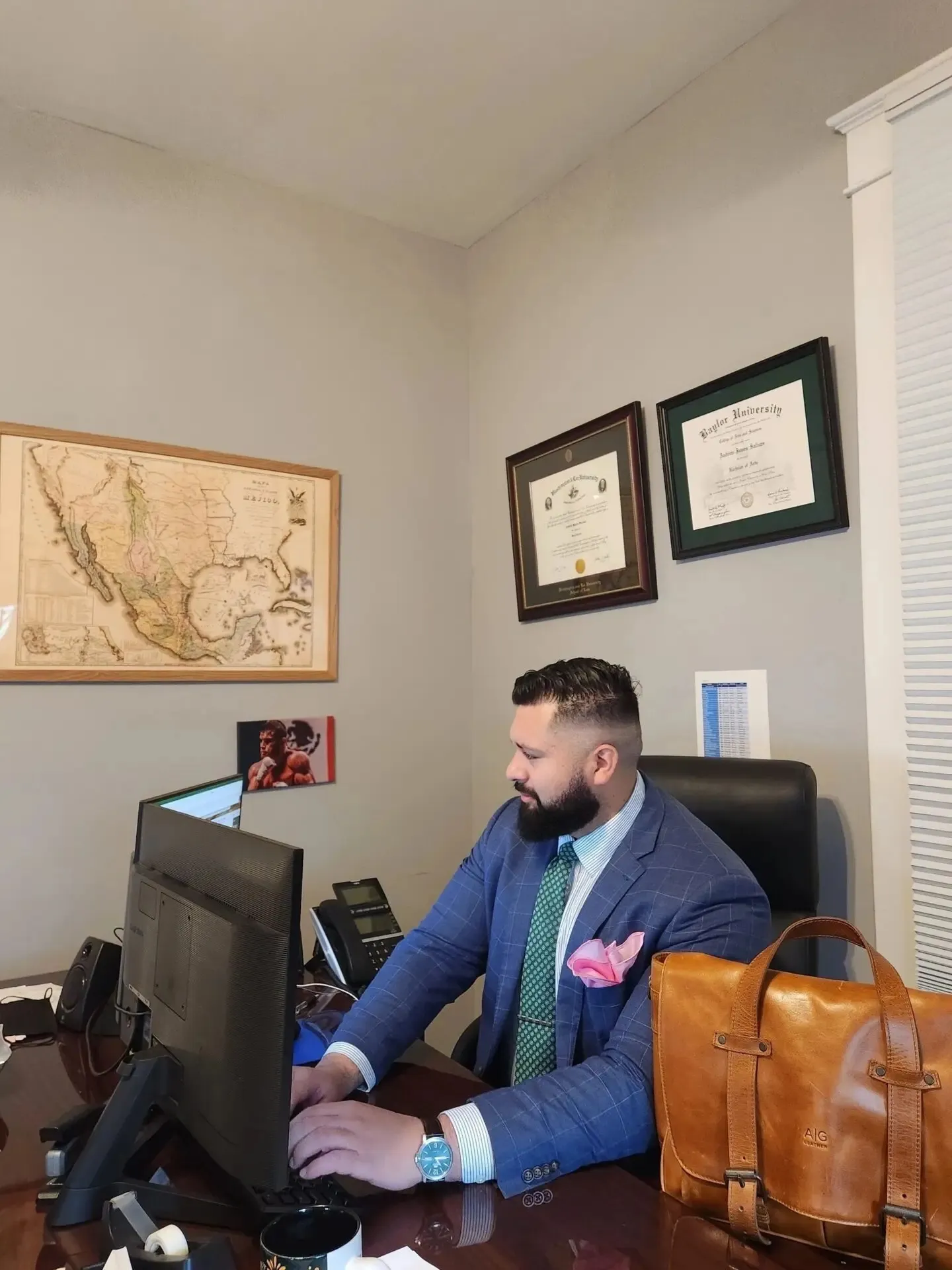
Andrew J. Salinas knows exactly what insurance companies do because he's dealt with them hundreds of times. Call (832) 202-8409.




Get In Touch Today - We're Open 24/7 365 Days A Year.
At Salinas Defense, your consultation request is confidential, and our team is here to help you take the next step with clarity and confidence.